 English
  Norsk
Norsk  Polski
  Lietuvių kalba
Awareness of corporate responsibility for environmental and social sustainability has accelerated in recent years.
The Transparency Act comes into force on 1 July 2022. The Act requires large organisations to carry out due diligence assessments, account for the assessments and publish information for the general public.
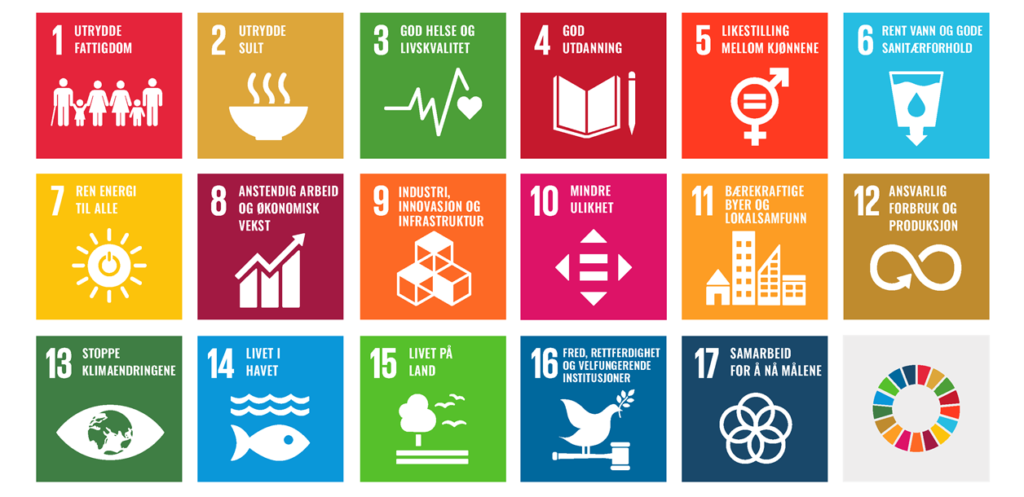
The Transparency Act, together with other measures, will contribute to Norway's efforts to meet UN Sustainable Development Goal 8 on decent work and economic growth and Goal 12 on responsible consumption and production. Through these SDGs, governments, businesses and organisations have committed to abolishing forced labour, ending modern slavery, ensuring the prohibition and elimination of the worst forms of child labour, and promoting safe and secure working environments for all workers.

Purpose of the Transparency Act
Lack of transparency makes it difficult for consumers, the media, investors, authorities and others to obtain information about conditions and to verify them. The Transparency Act aims to reduce these challenges.
The purpose of the Transparency Act is to influence behaviour in a specific direction by promoting companies' respect for fundamental human rights and decent working conditions in the production of goods and provision of services. The Act also aims to ensure that the general public has access to information about how companies deal with negative consequences for fundamental human rights and decent labour conditions.
Transparency about these conditions should, among other things, help to make it easier for consumers to make informed purchasing choices, which could contribute to fewer products being sold and thus produced under reprehensible conditions.
Who does the Transparency Act apply to?
The Transparency Act will apply to larger organisations who are resident in Norway and who offer goods and services in or outside Norway. With larger organisations means businesses that exceed the limits for two of the following three conditions (or that are covered by section 1-5 of the Accounting Act on large enterprises):
- Sales revenue: NOK 70 million
- Balance sheet total: NOK 35 million
- Average number of employees: 50 man-years
Small and medium-sized enterprises are expected to be aware of human rights and fundamental labour rights and principles. Although the law only applies to fundamental human rights and decent work, all companies are also expected to work with the UN Guiding Principles on Business and Human Rights and the OECD Guidelines for Multinational Enterprises.
Prudential assessments
In order to fulfil the purpose of the law, companies are required to carry out due diligence. These must be carried out regularly and be proportionate to the size, nature and context of the business and the risk of negative impact.
A due diligence shall consist of six elements:
- Anchor accountability in the organisation's policies
- Identify and assess actual and potential negative impacts on fundamental human rights and decent work that the business has caused or contributed to, or that are directly linked to the business, products or services through the supply chain or business partners.
- implement appropriate measures to stop, prevent or limit negative consequences
- monitor the implementation and results of measures under paragraph 3
- Communicate how negative consequences are handled
- arrange for or co-operate in restoration or replacement where required
Explanation of due diligence procedures
The companies must publish a report on the due diligence assessments. The report must be updated and published by 30 June each year and otherwise in the event of significant changes in the company's risk assessments. The report must be made easily accessible on the company's website.
The report shall at least contain:
- a general description of the company's organisation, area of operation, policies and procedures for managing actual and potential negative impacts on fundamental human rights and decent work
- information about actual negative consequences and significant risks of negative consequences that the organisation has identified through its due diligence
- information on measures that the organisation has implemented or plans to implement to stop actual negative consequences or limit the significant risk of negative consequences, and the result/expected result of the measures.
The public's right to information
In addition to publishing the due diligence assessment, companies are obliged to answer questions from anyone about how they work to manage negative consequences during the due diligence assessment.
The right to information encompasses both general information and information related to a specific product or service offered by the company. The companies are required to provide the information in writing, in an adequate and comprehensible manner, and as a general rule no later than within three weeks.
Supervision
The Consumer Authority will provide guidance on the Act and supervise compliance with the provisions of the Act. The Consumer Authority and the Market Council will be able to make individual decisions on prohibitions or injunctions, coercive fines and infringement fees.